
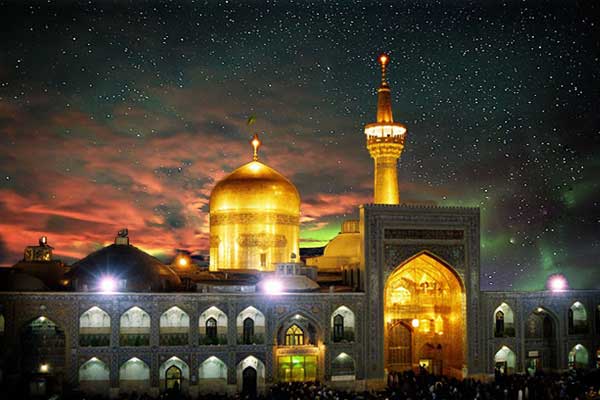
Mashhad, the second-largest city in Iran and the capital of Razavi Khorasan Province, is one of the country’s most significant cultural, historical, and religious destinations. Renowned as the home of the sacred Shrine of Imam Reza, Mashhad attracts millions of pilgrims every year while also captivating travelers with its rich Persian heritage, magnificent architecture, vibrant bazaars, and welcoming atmosphere.
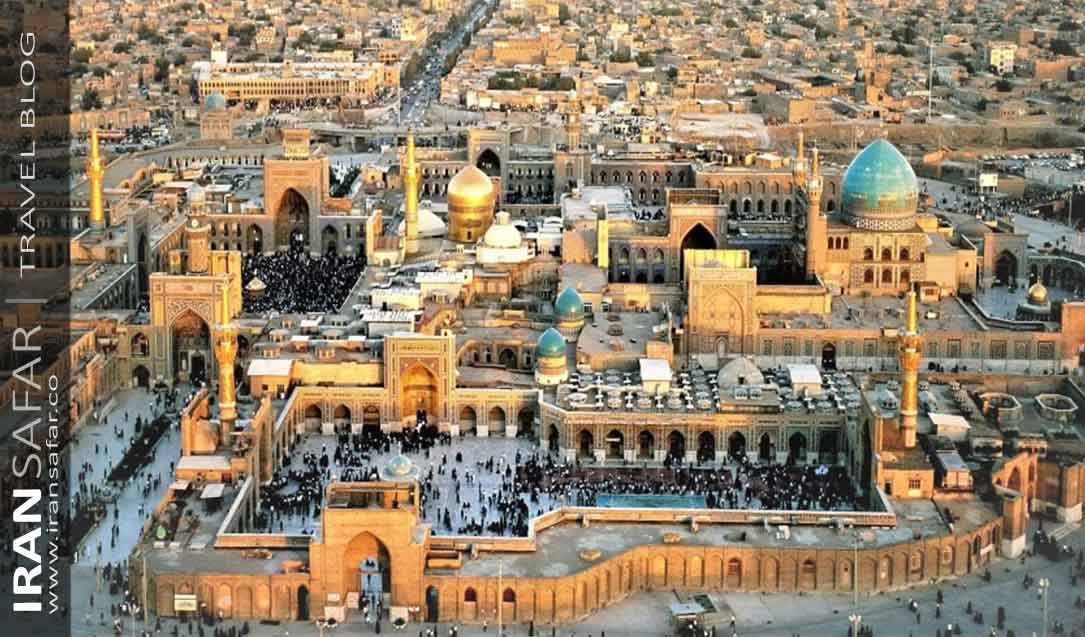
Although many visitors come for religious pilgrimage, Mashhad offers far more than its famous shrine. The city blends centuries of history with modern urban life, creating a destination where spirituality, art, culture, and nature coexist harmoniously. Whether you are interested in Islamic architecture, Persian history, traditional cuisine, or scenic mountain landscapes, Mashhad offers an unforgettable experience.
The Origins of Mashhad
The name Mashhad literally means “Place of Martyrdom.” It commemorates the death of Imam Reza (Ali ibn Musa al-Reza), the eighth Imam of Twelver Shi’a Islam, who died in 818 CE.
According to historical accounts and Shi’a tradition, Imam Reza was invited to Khorasan by the Abbasid Caliph Al-Ma’mun, who named him heir to the caliphate in an attempt to ease growing political tensions within the Islamic world. However, many historians believe this appointment was largely political. Shortly afterward, Imam Reza died under mysterious circumstances, with Shi’a sources maintaining that he was poisoned on the orders of the caliph.
He was buried in the small village of Sanabad, near the ancient city of Tus. Over time, his burial place became one of the holiest pilgrimage sites in the Shi’a Muslim world. The settlement surrounding the shrine gradually expanded, eventually becoming the city now known as Mashhad.
Today, millions of pilgrims from Iran, Iraq, Lebanon, Pakistan, India, the Gulf countries, Central Asia, and many other parts of the world visit the city each year to pay their respects at the shrine, making Mashhad one of the most visited religious destinations on Earth.
History and Religious Significance
Over the centuries, Mashhad evolved into Iran’s most important pilgrimage center and one of the holiest cities in Shi’a Islam, standing alongside Najaf and Karbala as a major destination for the faithful. Successive Persian dynasties invested heavily in expanding and beautifying the shrine, transforming it into one of the largest religious complexes in the Islamic world.
The Timurid Era
Mashhad flourished during the Timurid period in the 15th century, becoming a major center of learning, literature, and Islamic scholarship. Under the rule of Shah Rukh, the son of Timur (Tamerlane), the city experienced remarkable architectural development.
Mosques, schools, libraries, and public buildings were constructed, while the Shrine of Imam Reza underwent significant expansion. Scholars, poets, theologians, and artists from across Persia and Central Asia were drawn to Mashhad, strengthening its reputation as an intellectual and cultural hub.
The Safavid Dynasty
Mashhad’s importance grew even further after the rise of the Safavid dynasty in the 16th century. When Shah Ismail I established Twelver Shi’ism as the official religion of Persia, Mashhad became one of the spiritual pillars of the Safavid Empire.
Shah Abbas I, one of Persia’s greatest rulers, devoted enormous resources to restoring and enlarging the shrine complex. According to historical tradition, he famously walked hundreds of kilometers from Isfahan to Mashhad as a pilgrim, demonstrating both his personal devotion and his commitment to promoting the city as the spiritual heart of Iran.
The Afsharid and Qajar Periods
Mashhad gained additional prominence in the 18th century under Nader Shah Afshar, one of Iran’s greatest military commanders and founder of the Afsharid dynasty. Having been born in the Khorasan region, Nader Shah chose Mashhad as one of his principal cities and invested heavily in its development.
The city’s strategic location along the historic Silk Road made it an important commercial crossroads connecting Persia with Central Asia, Afghanistan, and the Indian subcontinent. Merchants, scholars, and travelers passed through Mashhad, contributing to its prosperity and multicultural character.
During the subsequent Qajar era, Mashhad remained both a thriving pilgrimage destination and a major trading center, further strengthening its economic and political importance.
Mashhad Today
In the 20th century, particularly during the Pahlavi era and following the 1979 Islamic Revolution, Mashhad continued to expand rapidly. Today it is Iran’s second-largest city, home to more than three million residents.
Beyond its religious significance, Mashhad has become a leading center for education, commerce, healthcare, and industry. Universities, museums, cultural institutions, and modern infrastructure coexist alongside centuries-old monuments, reflecting the city’s unique blend of tradition and modernity.
The Shrine of Imam Reza remains the heart of the city, welcoming millions of pilgrims and visitors each year. Yet Mashhad’s appeal extends far beyond religion. Historic monuments, vibrant bazaars, lush parks, nearby mountain resorts, and renowned Persian hospitality make it one of Iran’s most rewarding destinations for travelers seeking to explore the country’s rich cultural heritage.
The Must-See Attractions of Mashhad
Mashhad is much more than just a pilgrimage destination. It is a city where history, spirituality, culture, and nature come together. Whether you are seeking a moment of reflection at the Imam Reza Shrine, exploring history at the Tomb of Ferdowsi, or immersing yourself in Persian culture through its bustling markets and traditional cuisine, Mashhad will captivate and inspire you at every turn.
1 Imam Reza shrine
The Imam Reza Shrine is one of the most important religious sites in Iran and the Shia Muslim world. It is the resting place of Imam Reza (Ali ibn Musa al-Reza), the eighth Imam in Shia Islam, who is deeply revered by millions of Shia Muslims worldwide.
Imam Reza passed away in 818 CE, and his mausoleum in Mashhad has since become one of the world’s largest pilgrimage destinations. Every year, millions of pilgrims and visitors travel to the shrine, particularly during significant religious occasions such as the anniversary of Imam Reza’s martyrdom and other important Islamic commemorations.
The shrine complex is a magnificent masterpiece of Islamic architecture, featuring stunning courtyards, elegant mosques, grand entrance gates, prayer halls, museums, libraries, and beautifully decorated iwans. Its iconic golden dome and soaring minarets have become enduring symbols of Mashhad and are instantly recognizable to visitors from around the world.
Beyond its architectural beauty, the shrine serves as a place of worship, reflection, and spiritual renewal. Pilgrims come to pray, seek blessings, express gratitude, and ask for guidance, healing, and protection. The peaceful atmosphere and rich artistic details make it a meaningful destination for both religious pilgrims and those interested in Islamic history and Persian culture.
Today, the Imam Reza Shrine remains the spiritual heart of Mashhad and one of the most influential religious, cultural, and educational centers in the Islamic world, welcoming visitors of all backgrounds who wish to experience its history, beauty, and profound sense of devotion.
Imam Reza (Ali ibn Musa al-Reza) was the eighth Imam of the Twelver Shia Muslims. He was born in 766 CE in Medina and passed away in 818 CE in Mashhad, Iran. Renowned for his profound knowledge, piety, wisdom, and compassion, Imam Reza played a significant role in preserving and spreading Islamic teachings during a politically turbulent period in Islamic history.
During his lifetime, the Abbasid Caliph Al-Ma’mun invited him to Khorasan and appointed him as his heir apparent. Although this appointment was widely seen as a political strategy to strengthen the caliph’s rule, Imam Reza remained committed to his religious principles and earned the respect of both followers and scholars through his scholarship, humility, and integrity.
According to Shia tradition, Imam Reza was poisoned in 818 CE, and his death is regarded as a martyrdom. His legacy has made him a lasting symbol of faith, justice, patience, and moral leadership.
Today, his mausoleum in Mashhad is one of the holiest sites in the Shia Muslim world, attracting millions of pilgrims and visitors each year who come to honor his memory and seek spiritual comfort and inspiration.
2
Tomb of Nader Shah
The Tomb of Nader Shah is one of Mashhad’s most significant historical landmarks, dedicated to Nader Shah Afshar, one of Iran’s greatest rulers and military commanders. The mausoleum honors the founder of the Afsharid dynasty, who played a pivotal role in reunifying Iran during the 18th century and expanding its empire through a series of remarkable military campaigns.
Designed by the renowned Iranian architect Houshang Seyhoun in the 1960s, the monument is a striking example of modern Iranian architecture inspired by Persian history and artistic traditions. Set within a beautifully landscaped park, the site is dominated by a dramatic bronze statue of Nader Shah on horseback, leading his soldiers into battle—a powerful symbol of his leadership and military achievements.
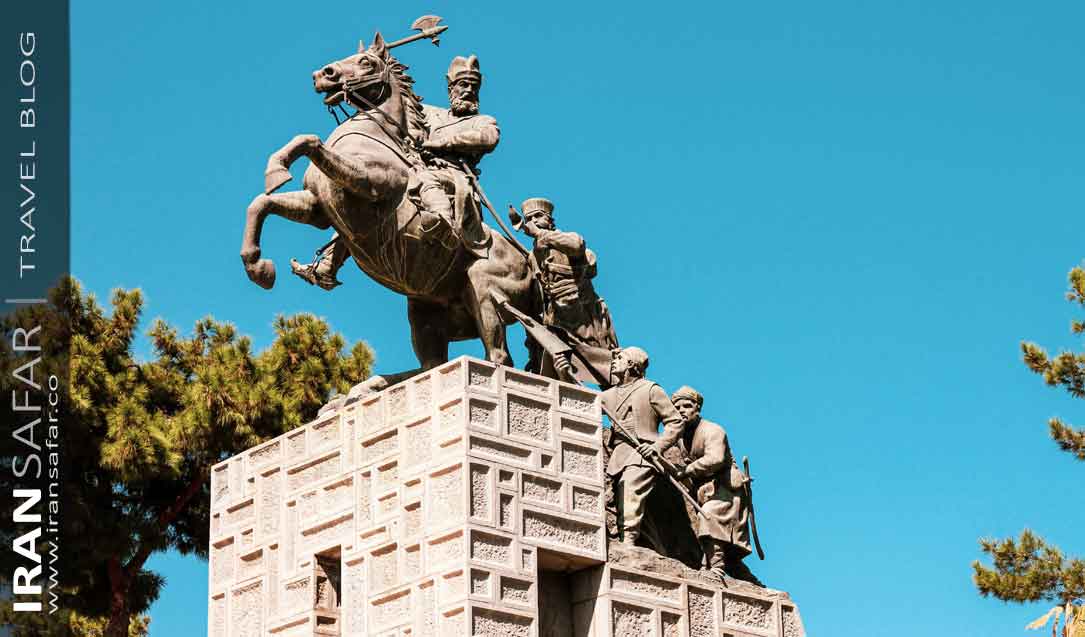
The mausoleum itself is constructed from rugged stone, with a bold, minimalist design that reflects the strength, discipline, and resilience associated with Nader Shah’s character. Its imposing architecture creates a fitting tribute to one of Iran’s most influential historical figures.
Inside the complex, visitors can see Nader Shah’s tomb as well as a museum showcasing an impressive collection of historical artifacts, including traditional weapons, military equipment, armor, manuscripts, and objects related to his reign and military expeditions. These exhibits provide valuable insight into the political and military history of 18th-century Iran.
3
Kuh Sangi Complex
Kuh Sangi (meaning “Stone Mountain” in Persian) is one of Mashhad’s most popular recreational landmarks, renowned for its scenic beauty, distinctive rock formations, and peaceful atmosphere. Located on the southwestern edge of the city near the foothills of the Binalud Mountains, the area combines natural landscapes with well-developed public gardens, making it a favorite destination for both residents and visitors.
The centerpiece of the park is its impressive rocky hill, whose large granite formations have given the site its name. From the higher viewpoints, visitors can enjoy panoramic views of Mashhad, particularly at sunrise and sunset when the city is bathed in warm light.
Over the years, Kuh Sangi has evolved into a vibrant urban park featuring landscaped gardens, walking paths, fountains, lakes, cafés, and family-friendly recreational areas. It is an ideal place for leisurely strolls, picnics, outdoor exercise, and relaxing away from the bustle of the city. The park is especially lively in the evenings, when locals gather to enjoy the cooler temperatures and welcoming atmosphere.
Blending natural beauty with modern amenities, the Kuh Sangi Complex offers a refreshing escape for nature lovers, photographers, and families alike. Its dramatic stone formations and tranquil surroundings have made it one of Mashhad’s most beloved green spaces and an enduring symbol of the city’s connection to its natural landscape.
Things to See and Do Around Mashhad
While Mashhad, Iran’s holiest city, is best known for the Imam Reza Shrine, which attracts millions of pilgrims each year, the region surrounding the city is equally rich in natural beauty, history, and culture. Whether you’re looking for outdoor adventures, historical landmarks, or authentic Persian experiences, the areas around Mashhad offer plenty of fascinating places to explore.
1. Tomb of Ferdowsi
Located in Tus, about 25 km northwest of Mashhad, the Tomb of Ferdowsi is one of the most iconic monuments of Persian culture. It honors Abu’l-Qasim Ferdowsi (940–1020 CE), Iran’s greatest epic poet and the author of the Shahnameh (The Book of Kings), the monumental epic recounting the mythological and historical story of ancient Persia. More than simply a burial place, the mausoleum stands as a symbol of Iranian national identity and cultural resilience.
Built during the 20th century under the Pahlavi dynasty, the mausoleum was inspired by Achaemenid architecture, particularly the Tomb of Cyrus the Great at Pasargadae. This architectural style reflects the continuity and grandeur of Persian civilization through the centuries.
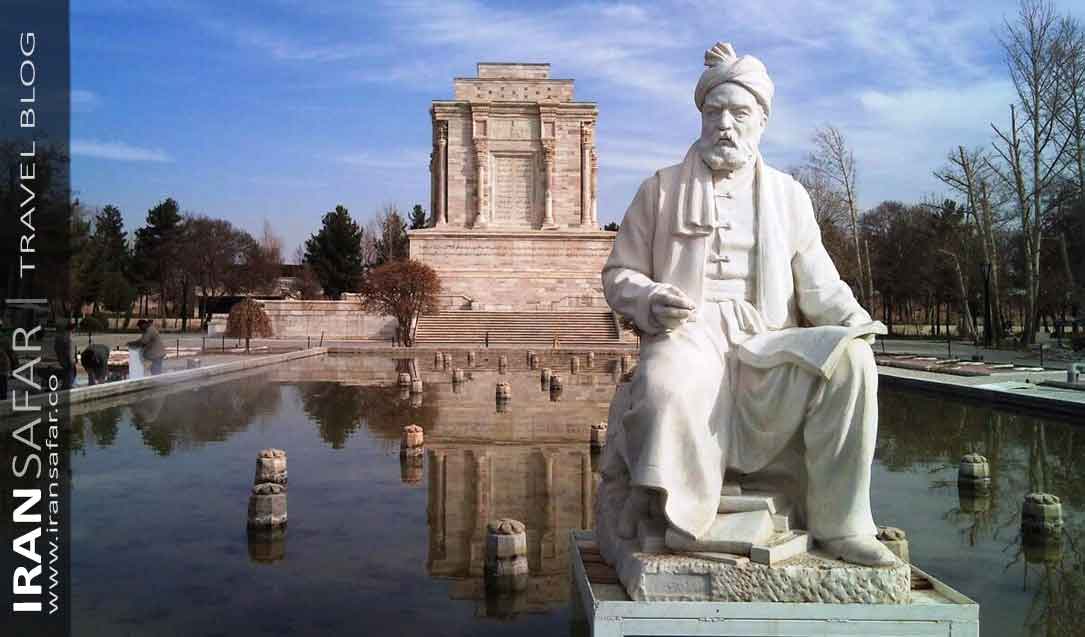 Constructed from brilliant white marble, the monument is decorated with intricate bas-reliefs and inscriptions from the Shahnameh. Its monumental base resembles the tomb of Cyrus the Great, while the elegant colonnade—modeled after the palaces of Persepolis—adds to its majestic appearance.
Inside the mausoleum, visitors will find verses from the Shahnameh engraved on the walls, celebrating Ferdowsi’s lifelong dedication to preserving the Persian language and cultural identity during a period when Arabic heavily influenced the region after the Islamic conquest.
Although Ferdowsi made an immeasurable contribution to Persian literature, he died in poverty and received little recognition during his lifetime. Centuries later, his genius was finally honored with this magnificent memorial, which today attracts literature enthusiasts, historians, scholars, and visitors from around the world.
The site also includes:
A museum dedicated to Ferdowsi and the Shahnameh, displaying ancient manuscripts and artwork inspired by the epic.
A beautifully landscaped Persian garden ideal for peaceful walks.
Statues and reliefs depicting legendary heroes such as Rostam, Esfandiar, and other iconic figures from the Shahnameh.
Every year on May 15, Iran celebrates National Ferdowsi Day, with poetry readings, lectures, and cultural performances held at the mausoleum.
The Shahnameh (The Book of Kings) is one of the greatest masterpieces of world literature. Written by Ferdowsi over more than 30 years, it consists of nearly 50,000 rhyming couplets, making it the longest epic poem ever composed by a single author.
The work recounts the legendary, mythological, and historical history of Persia from the creation of the world to the Arab conquest in the 7th century. It is divided into three sections:
- The Mythological Age
- The Heroic Age
- The Historical Age
Filled with unforgettable heroes such as Rostam, Esfandiar, and King Jamshid, the Shahnameh celebrates courage, honor, loyalty, justice, and wisdom.Beyond its literary significance, the epic played a crucial role in preserving the Persian language at a time when it faced strong Arabic influence. Its impact continues to be felt in Persian art, painting, music, architecture, and national identity, making it one of the world’s greatest literary achievements.
2. Torghabeh and Shandiz
Located just a short drive from Mashhad, Torghabeh and Shandiz are among the region’s most popular countryside destinations. Surrounded by green valleys and mountain scenery, these towns are known for their pleasant climate, riverside parks, and traditional Persian restaurants.
Visitors can enjoy scenic walks, hiking trails, and relaxing picnics before sampling the area’s most famous specialty—Shandiz Shishlik, a delicious grilled lamb rib kebab widely regarded as one of Iran’s finest culinary dishes.
3. Kang Village
Approximately 50 km from Mashhad, Kang Village is a picturesque mountain settlement often referred to as the “Masuleh of Khorasan.”
Built into the mountainside, its traditional terraced houses create a unique architectural landscape where the roof of one home often serves as the courtyard of another. Narrow winding alleys, breathtaking mountain views, and the warm hospitality of the local residents make Kang an ideal destination for visitors interested in traditional Iranian rural life.
The village is especially popular with photographers, hikers, and travelers seeking an authentic cultural experience away from the city.
4. Kalat Naderi
Located around 100 km north of Mashhad, Kalat Naderi is a remarkable historical fortress closely associated with the legendary Persian ruler Nader Shah Afshar.
Surrounded by steep cliffs and naturally protected by rugged mountains, the fortress served as a strategic military stronghold and treasury where Nader Shah reportedly stored many of the treasures collected during his successful military campaigns.
Visitors can explore:
- Ancient defensive walls carved into the rock
- Historic caves once used as shelters and storage rooms
- The remains of a palace believed to have belonged to Nader Shah
- Spectacular panoramic views of the surrounding valleys and mountains
Today, Kalat Naderi remains an impressive reminder of the military ingenuity and architectural achievements of 18th-century Persia.
5. Tomb of Omar Khayyam
Located in the historic city of Nishapur, the Tomb of Omar Khayyam honors one of Persia’s greatest scholars, poets, mathematicians, and astronomers.
Designed by renowned architect Hooshang Seyhoun and completed in 1963, the striking modern monument features an elegant geometric design inspired by the mathematical precision and philosophical depth of Khayyam’s work.
The mausoleum is surrounded by beautifully landscaped gardens that create a peaceful atmosphere, inviting visitors to reflect on the extraordinary legacy of the author of the famous Rubaiyat.
Today, the site welcomes literature lovers, historians, scientists, and travelers from around the world who come to pay tribute to one of the greatest intellectual figures in Persian history.
Mashhad’s Gastronomy
Mashhad is also renowned for its rich and flavorful cuisine, deeply influenced by the culinary traditions of the Khorasan region. The city’s local specialties combine authentic Persian flavors with centuries-old cooking techniques, offering visitors a memorable gastronomic experience.
Among the must-try dishes are:
Sholeh Mashhadi
One of Mashhad’s signature dishes, Sholeh Mashhadi is a hearty, slow-cooked soup made with meat, beans, grains, and a blend of aromatic spices. Rich, nourishing, and full of flavor, it is traditionally prepared for religious ceremonies, family gatherings, and special occasions.
Khorasan Kebab
The Khorasan Kebab is a regional variation of Iran’s famous grilled kebab. Prepared with tender marinated meat, it is typically served with fragrant saffron rice, grilled tomatoes, and fresh herbs, making it a favorite choice for festive meals and celebrations.
These traditional specialties reflect Mashhad’s rich culinary heritage and are an essential part of discovering the city’s culture and hospitality.
Read also: Iranian Cuisine
Comment (0)