from 3 reviews
12 days
Daily Tour
14 people
English, Español, Francais, German
April 11 – April 23 ⇢ English Speaking Group
May 02 – May 13 ⇢ English Speaking Group
August 01 – August 12 ⇢ English Speaking Group
Sept 05 – Sept 16 ⇢ English Speaking Group
Oct 03 – Oct 14 ⇢ English Speaking Group
View All : Iran Group Tours: Set Departures 2025
Blue Domes is an Iran 12 day tour that takes you from the colorful palaces and Persian masterpieces of history, art and architecture to the oasis and desert landscapes which amaze every spectator by its unique scenery. You will visit the most attractive sights of the country in 12 days to experience the history and life style of Iranian people – whether it’s the Achaemenid capital at Persepolis or the astonishing Naqsh-e Jahan Square in Isfahan.
The “Blue Domes” traces the magnificent legacies of the Persian Empire which will not fail to inspire, old desert towns, ancient citadels, the snow capped Alborz mountains, vast deserts, oasis towns and spontaneous engagement with the locals that provide surprise at every point of our diverse itinerary.
In this trip we will visit the country’s most important attractions that has no equal in the Islamic world. The brightest star of all is, of course, Isfahan; a name that recalls the majestic architectural marvels of Safavid Empire along with intellectual achievements of Persian Culture .
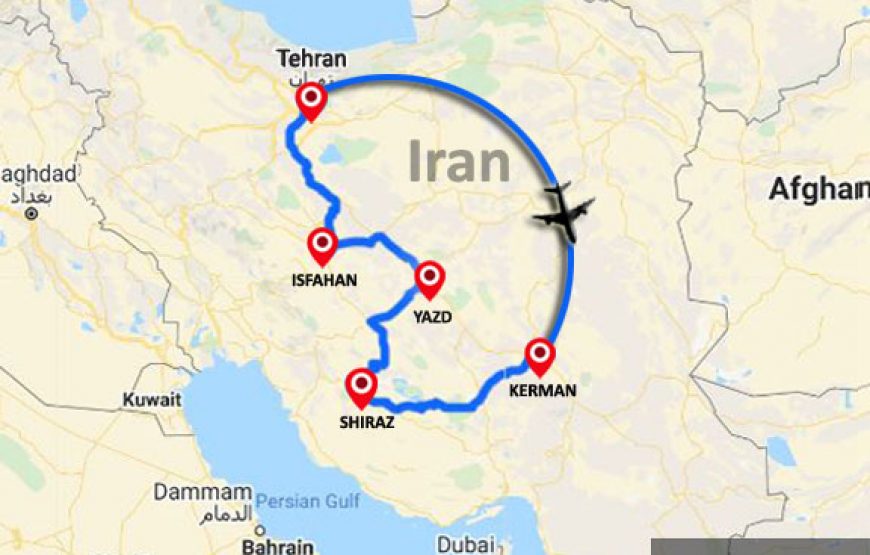
Our “Blue Domes” Iran 12 day tour starts in the capital city of Tehran, then we fly south to Kerman, the region of Kalouts and citadels. The trip continues to Shiraz, the homeland of the Persian Poetry, and to the ruined ancient city of Persepolis – an incredible example of Iran’s world heritage sites.
Our trip returns to Tehran via Yazd and Isfahan; amazing cities famous for their Islamic architecture, ancient bridges, mosques, minarets, Iranian Art and Handicrafts.
Duration: 12 Days
Cities to be visited: Tehran, Kerman, Shiraz, Yazd, Isfahan, Kashan
Upon arrival, your local guide will meet you at the airport and accompany you on the drive into the city.
Today, we begin exploring Iran’s vibrant capital, Tehran, starting with a visit to the National Museum of Iran. This remarkable museum showcases an extensive collection of artifacts dating from 5,000 BC to the early Islamic period, offering an engaging introduction to Iran’s rich history and cultural evolution.
Next, we stroll to the Golestan Palace Complex, a UNESCO World Heritage Site and one of the finest masterpieces of Qajar-era architecture. The complex features exquisitely decorated halls and pavilions set amid lush gardens, adorned with delicate mirror work, colorful tiles, and beautiful paintings that reflect the artistic brilliance of the Qajar period.
We end the day at the lively Tehran Grand Bazaar, a maze of bustling alleys filled with local vendors, spices, carpets, and handicrafts — the perfect place to soak up the city’s energy and pick up unique souvenirs.
Today, we dive into some of Tehran’s most iconic modern landmarks. Our journey begins at the Sa’ad Abad Palace Complex, once the royal residence of Mohammad Reza Shah, his father, and other members of the Iranian monarchy. Nestled in a sprawling 180-hectare garden, this cultural treasure is the largest of its kind in contemporary Tehran. The complex features seven stunning palaces, each showcasing the opulence of Iran’s 20th-century royalty.
Next, we take a leisurely walk across the Tabiat Bridge, an architectural masterpiece that connects two of Tehran’s most beautiful parks. This pedestrian bridge offers sweeping, panoramic views of the city, providing a serene break in the midst of urban life.
Our adventure continues with a visit to the Tajrish Local Market in northern Tehran, a lively bazaar where you can immerse yourself in the local culture, browse vibrant handicrafts, and taste traditional regional foods.
Finally, we end our day at the Azadi Tower, one of Tehran’s most iconic and symbolic structures. With its striking design and historical importance, it stands as a proud emblem of modern Iran.
Today, we embark on an unforgettable journey to the ancient Rayen Citadel, located 100 km from Kerman. This historic fortress, which was inhabited until just 150 years ago, is believed to be over 1,000 years old, offering a fascinating glimpse into Iran's rich past.
On our way back, we make a stop in the charming town of Mahan, situated to the south of Kerman. Here, we’ll explore the UNESCO-listed Shazdeh Garden, an oasis of lush greenery rising out of the surrounding arid desert landscape—truly a sight to behold.
To end the day on a spiritual note, we visit the Shah Nematollah Vali Shrine, dedicated to the 15th-century Sufi mystic and poet. The shrine’s striking turquoise dome is a beacon visible from miles away, making it an unforgettable landmark.
Today we embark on the scenic, though long, drive from Shiraz to Kerman. Along the way, we'll pass through breathtaking mountains, expansive fig orchards, serene lakes, and vast salt flats. Before leaving Shiraz, we'll make a quick stop at Maharlu Salt Lake, where you'll be mesmerized by the unique pink hues of the water. Depending on the season, you might even catch a glimpse of migratory birds like the Dalmatian Pelican and flamingos.
This morning, we begin with a visit to the captivating Nasir al-Molk Mosque, also known as the Pink Mosque, built in 1888 during the Qajar Dynasty. Its remarkable stained-glass windows and vibrant pink tiles create a breathtaking dance of light and color, making it one of the most photographed sites in Iran. Next, enjoy a leisurely stroll to the fragrant Narenjestan Garden (Qavam House), a 19th-century treasure built by the influential Qavam family. The garden is a masterpiece, with intricate mirrorwork, delicate carvings, and a stunning display of lush orange trees.
Continue your exploration with a visit to the Imamzadeh Ali ibn Hamzeh Shrine, renowned for its dazzling mirror mosaics and peaceful, spiritual atmosphere. Following that, admire the architectural elegance of the Vakil Mosque, known for its stunning tilework and harmonious design. Nearby, the Vakil Bazaar awaits, a maze of traditional shops offering everything from handicrafts to spices, all set in beautiful courtyards and vaulted corridors.
Wrap up the day with a visit to the Tomb of Hafez, nestled in tranquil gardens. Here, you can pay your respects to one of Iran's most beloved poets.
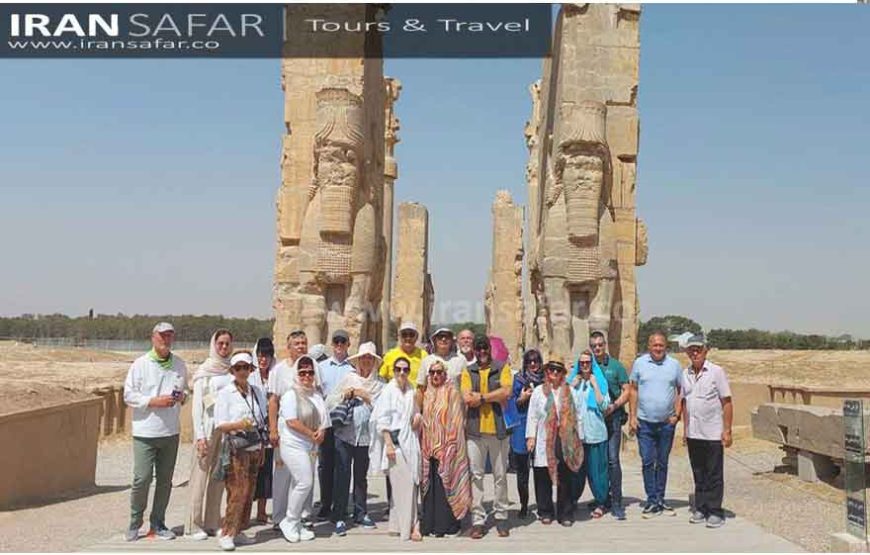
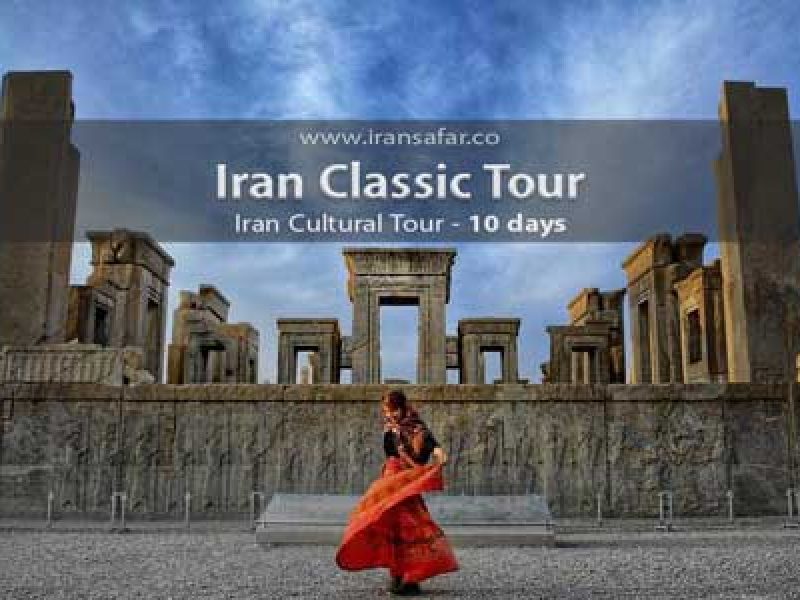
Our first stop today is the majestic Persepolis Complex (UNESCO World Heritage Site), where we’ll arrive in the morning to explore before the crowds. Founded by Darius I around 512 BC, Persepolis served as the ceremonial capital of the Achaemenid Empire—the largest empire of its time. Successive kings, including Xerxes I, expanded the site over the following centuries, leaving behind magnificent palaces, grand staircases, and intricate bas-reliefs that narrate the story of ancient Persia’s glory. A detailed guided tour will bring this monumental site to life, with approximately three hours devoted to exploration.
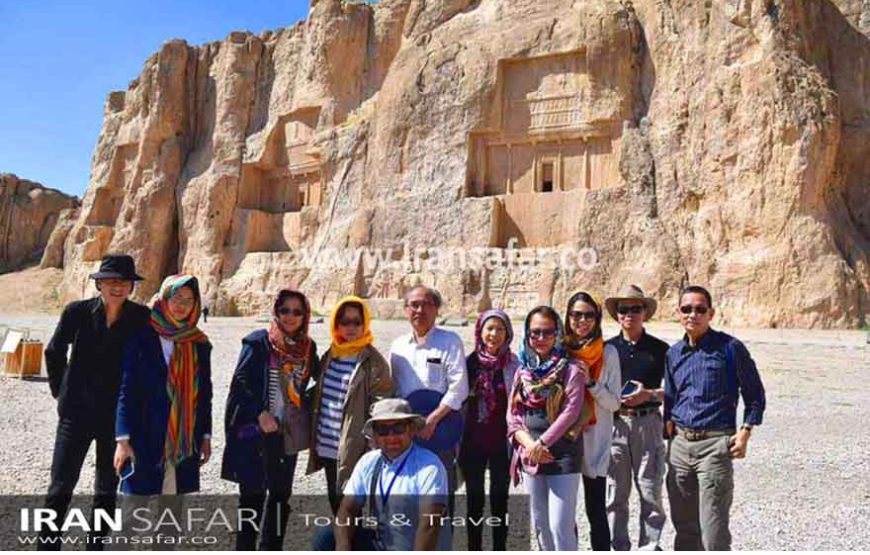
A short drive from Persepolis takes us to Naqsh-e Rostam (UNESCO Site), an impressive necropolis featuring the rock-cut tombs of Darius the Great and his successors. The towering cliffside carvings and Sassanian reliefs vividly depict royal ceremonies, battles, and victories—offering a striking glimpse into Persia’s enduring legacy.
Our final stop of the day is the Quran Gate, a historic monument that once welcomed travelers entering Shiraz, symbolizing protection and blessing for all who passed beneath it.
Today, we’re setting off on an unforgettable 550 km drive from Shiraz to Yazd, taking in some of the most stunning and historically rich landscapes in Iran. Our first stop is Pasargadae, the ancient heart of the Achaemenid Empire. This UNESCO World Heritage site is home to the Tomb of Cyrus the Great, a true visionary who founded the Persian Empire in the 6th century BC. Walking through the ruins of palaces and gardens here is like stepping back in time, soaking up the legacy of a bygone era.
After that, we’ll make our way to Yazd, where we’ll visit the Towers of Silence—fascinating, circular structures perched on the edge of the city. These ancient towers were once used by Zoroastrians to expose their deceased to the elements, a unique funerary practice that lasted well into the 20th century.
Today we visit Yazd, one of the world’s oldest continuously inhabited cities and a UNESCO World Heritage site. The city’s historic center, with its winding alleys, mudbrick homes, and iconic wind towers (badgirs), is a living testament to centuries of desert ingenuity and cultural depth. Yazd also holds deep significance for Iran’s Zoroastrian community, and our journey begins with visits to its most sacred sites.
We start at the Zoroastrian Fire Temple, where a sacred flame has been burning for over 1,500 years—an enduring symbol of purity and eternal light. The peaceful atmosphere here sets the tone for our day as we connect with Yazd’s spiritual heritage.
Next, we head to the Amir Chakhmaq Complex, an architectural gem in the heart of the city. Built in the 15th century by Amir Jalal al-Din Chakhmaq, this stunning structure was originally a tekyeh, a gathering place for religious ceremonies. With its symmetrical alcoves and grand façade, it glows in the golden light of the setting sun, making it one of Yazd’s most iconic landmarks.
From there, we visit the Jameh Mosque of Yazd, completed in 1324. Known for its exquisite tilework and towering minarets—the tallest in Iran—the mosque offers a stunning display of Islamic architecture.
Finally, we have time to wander through the ancient streets of Yazd's old town. Here, narrow lanes, traditional courtyards, and mudbrick walls invite you to slow down and experience the timeless rhythm of life in this desert city.
We’re leaving Yazd this morning and heading toward Isfahan, one of the most charming cities in Iran. The drive takes us through wide-open desert landscapes, with the occasional stretch of pistachio orchards breaking up the view. It’s a peaceful, scenic journey.
Our first stop along the way is the Meybod Caravanserai, a beautifully preserved roadside inn that dates back to the days of the Silk Road. It’s a fascinating place to visit, giving us a glimpse into the past and the role these caravanserais played in connecting distant cultures.
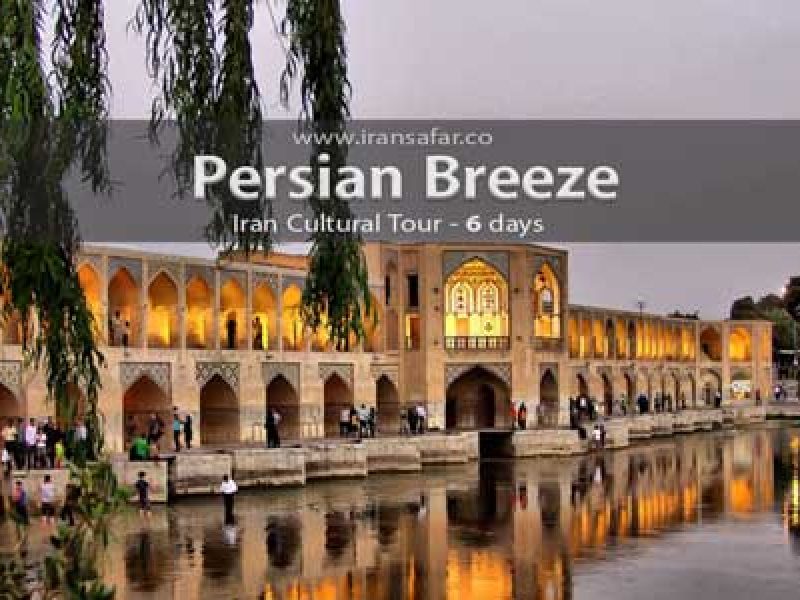
Next, we’ll visit the Nain Jameh Mosque, known for its stunning architecture and history. Once we arrive in Isfahan, we’ll dive straight into exploring the city, starting with the Khaju Bridge. This Safavid-era gem isn’t just a bridge—it’s a place where locals come to relax, chat, and enjoy the view of the Zayandeh River.
Today’s sightseeing starts with Naqsh-e Jahan Square, a UNESCO World Heritage Site and one of the grandest squares in the world. Built in the early 1600s under Shah Abbas I, this expansive space is surrounded by Safavid-era architectural gems.
We start with the Imam Mosque, famous for its striking blue tiles and massive dome. It’s one of the finest examples of Islamic architecture in Iran.
Next is the Sheikh Lotfollah Mosque, known for its delicate dome and intricate tilework. This mosque, once a private worship space for royal women, is a true work of art.
Then, we visit the Ali Qapu Palace, a six-story royal residence with stunning views of the square. The palace’s music hall, with its unique acoustics and intricate stucco carvings, is a highlight.
We’ll also explore the Qeisarieh Bazaar, where traditional crafts, carpets, and local souvenirs fill the shops.
Finally, we head to the Chehel Sotun Palace, set in a peaceful garden with a reflecting pool. This pavilion, built for royal gatherings, is adorned with beautiful murals depicting Persian history.
We begin our day in the Julfa Armenian District, a charming neighborhood established in the early 1600s when Shah Abbas I moved an Armenian community here. The area is a fascinating mix of Persian and Christian influences, with cozy cafés, art galleries, and beautiful streets to explore.
While in Julfa, we visit Vank Cathedral, a stunning church built in the mid-1600s. Inside, you’ll find intricate frescoes, gilded carvings, and striking blue-and-gold tiles that depict biblical scenes and Armenian history.
Next, we head to the Jameh Mosque of Isfahan, a UNESCO World Heritage Site. This mosque is a true architectural gem, with a history that spans over a thousand years, showcasing various styles—from early Abbasid brickwork to grand Safavid tile designs.
Finally, we end the day with a visit to the Si-o-se Bridge, one of Isfahan’s most iconic landmarks. It’s a perfect spot for a sunset stroll and to soak in the beauty of the city.
Today, we head towards Tehran, driving around 400 km from the desert region. Along the way, we’ll stop to explore some of central Iran’s most fascinating historical spots.
Our first stop is Abyaneh Village, a beautifully preserved village known for its red mud-brick homes, narrow alleys, and traditional clothing. Nestled on the slopes of Mount Karkas, Abyaneh offers a rare chance to experience rural Iranian life that has remained unchanged for centuries.
Next, we continue on to Kashan, an ancient oasis town about 250 km from Tehran. Known for its rosewater, fine carpets, and stunning architecture, Kashan has long been a favorite of Persian royalty, including Shah Abbas the Great. Located on the edge of the central Salt Desert at 1,600 meters, this historic town has roots that stretch back to prehistoric times. The name “Kashan” is believed to refer to the traditional “summer houses” made of wood and reeds.
In Kashan, we’ll visit the Fin Garden (a UNESCO World Heritage Site), the Tabatabai Mansion, and the Agha Bozorg Mosque—each a gem of Persian architecture.
0 review

Perfect Iran tour